Podcast Guest » Speaker » Workshop
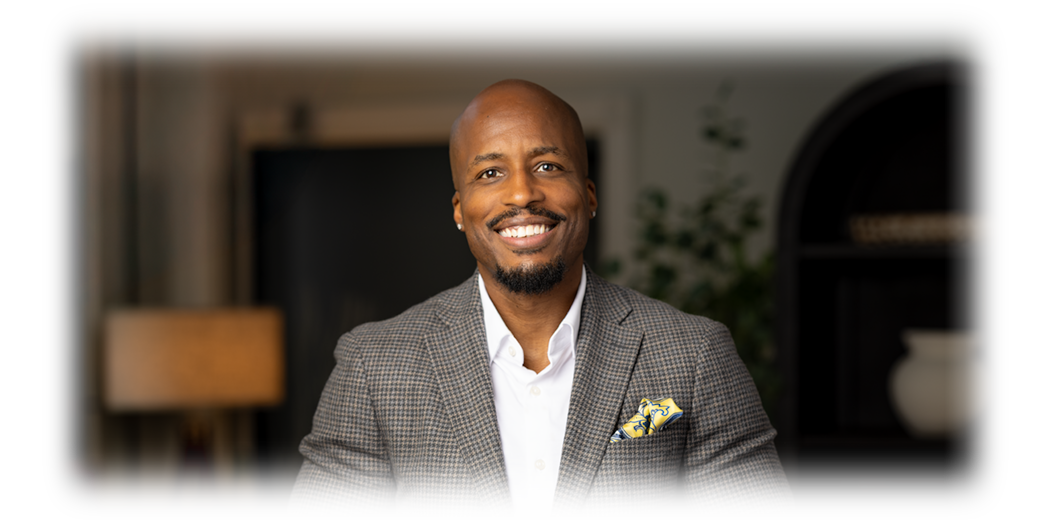
Hasani X Intro
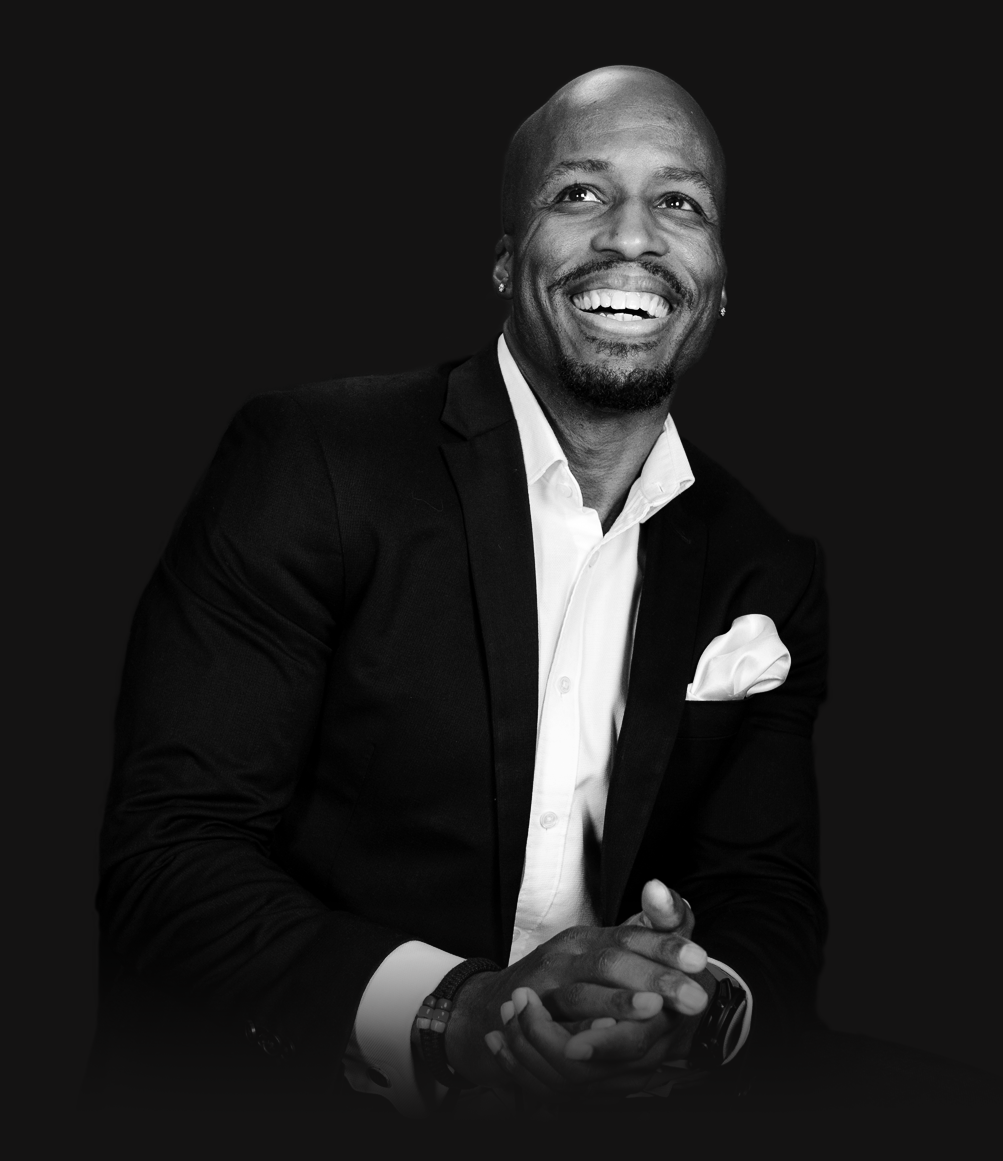
Hasani X has spent 20+ years helping businesses escape what he calls “The Expert’s Curse”—the phenomenon where deep expertise actually makes it harder to communicate your value. He’s driven over $100 million in client growth, led 1,000+ strategic campaigns, and trained 10,000+ leaders. Today, he runs Chiefs of Story, where he invests and partners with expert service businesses to help them stand out, win bigger, and rise above the noise. He also writes The Signal, a weekly newsletter for service businesses and subject matter experts looking to differentiate, grow, and scale.
X is based in Charlotte, NC. He’s a dad of three, married to his high school sweetheart, former professional MMA fighter, modern Stoic, recovering overthinker, and someone who believes the greatest story ever told is the one we tell ourselves.
Full Bio / Origin Story
My name is Hasani X (Aka "X"). I'm CEO and founder of Chiefs of Story, a business performance coach/investor, professional speaker, and most recently focused on helping businesses become exit-ready through strategic growth and brand development.
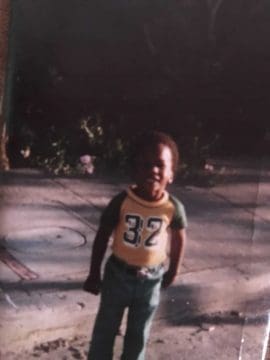
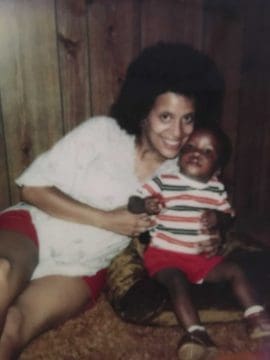
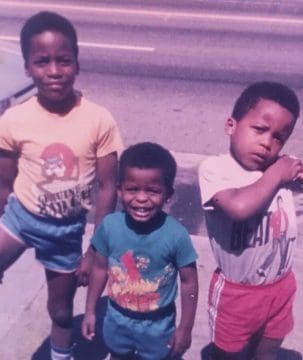
I grew up in the streets of Oakland, California – where I developed an inner-belief, strength, and conviction when everything around me said the opposite. And the truth is, without a STORY of possibility guiding me, I wouldn't be here today.
That said, even with a driving purpose, it wasn't easy. So I jumped right in starting my entrepreneurial journey at nine years old. I sold ninja stars, husky pencils, my mamma's tacos, and whatever else I could.
These experiences, combined with my dad forcing me to go to Toastmasters meetings to speak, helped me to hone two highly valuable and transferable skills. How to sell and communicate. Or said differently, I learned how to tell a damn great STORY.
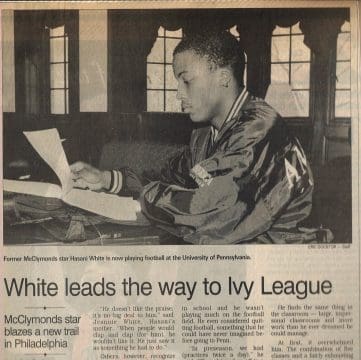
Eventually, I overcame the odds and became the first person in my family to go to college. And to give you context, my high-school started with about 500 freshmen, but only about 38 of us graduated.
While at UPenn, I founded A.U.N (All You Need) Marketing. It was about the sheer hustle of getting clients everything they needed to promote their brand and STORY.
After graduating, I founded 4e Consulting, a business growth firm that combined gorilla marketing and strategic business consulting.
Fast forward a couple of years, I was crushing it in business, happily married with two kids and life was all good. Then one day, I received a call from my mom…
Hi Mom "Hasani they killed him, he's dead…" Wait, what? "Your brother is dead…"
My younger brother Ramin was shot and killed back home in Oakland, California.
As I put the phone down stunned and heartbroken, my mind flashed back to our last conversation.
We were arguing over something, but it ended when he said…
"You were never there for me… You weren't the big brother I needed!"
At the time I shrugged him off because I wasn't going to take the blame for his shit. I handled my business. He should have been able to handle his (period).
But that day, starring in the mirror, I realized that I'd always been dedicated to doing what it took to succeed, but ran away when it came to leading others.
Being honest and RAW with myself, I soon realized that I was comfortable doing just about anything but leading others. I thought…
Who was I to lead? Who was I to say what's right? Who was I to say this is where we are going?
This realization pushed me to explore and experiment at the edges of personal growth and leadership. I knew that I had to develop a new STORY that went beyond personal success and into the realm of leading.
So I began facing my deepest fears by jumping out of planes, becoming a professional cage fighter (crazy story), mind hacking and exploring spiritual growth through 1,000's of hours meditating, fasting weeks on end on nothing but water to studying with the worlds best minds on human psychology and performance to developing my own innovations in personal breakthrough science.
Over time I pushed into the personal development space through speaking and coaching leaders on how to build their businesses, life, and legacy (BLL). It was on this path that I finally found my true MISSION.
To build people and businesses.
Feeling the gratification of helping others to break through, I decided to go all in. I exited 4e Consulting, divested all other investment projects and founded Rise of a Leader as an out of the box leadership and team development company.
It was here that I created the Living Leadership Model. A model I've used working with presidents of publicly traded companies down to prisoners facing a life behind bars.
In short, anyone who would listen, I helped them with my Breakthrough Performance Science. Because here's the truth, success principles don't care about who you are or where you come from. If you Lead It, Live It, and Love it, you'll eventually breakthrough!
This journey eventually led me to found Lead Your Story, where I discovered that building businesses and building culture were one and the same. We used STORY to drive leads, business growth, and build strong leaders and teams. It was powerful work, but I began to realize we were still treating symptoms, not the disease.
Then in 2022, a past client broke my heart…
She called to tell me her business was shutting down. After decades of work, she was losing everything. No savings. No exit plan. No way out.
She said, "I wish I'd focused on building a business that could sell—one that could thrive without me."
That phone call hit me hard…
So I started reaching out to other old clients. Same story. Over and over. Good people worked hard all their lives. Now, they face regret for not creating a sellable business.
Then I looked at the research…
Baby boomers own 12 million businesses. Yet, only 30% have a clear exit strategy. Worse still, only 20% of businesses listed for sale actually sell. This means that more than 8 million businesses are at risk of shutting down without selling.
That's when it hit me… I was part of the problem.
As a consultant, I came in to make things look better. We'd sharpen the story. Fix the messaging. Tweak the funnel. And it worked—more leads, more revenue.
But you can only claim to be better than the market for so long. Eventually, they'll copy your promotion. Start saying the same thing. Putting you back on the treadmill, trying to find NEW messaging to drive leads.
That's when it dawned on me…
Marketers do not build great brands—leaders do. Because a strong and enduring brand is more SHOW than TELL. It relies on having a great product, an amazing experience, and a community that cares. These traits help a brand stand out and be different. Leading to customers who love them. And as importantly, competitors that can't copy them.
I realized then that I was treating symptoms, not the disease.
So I left my consulting company. Shut down for two years. Vanished from social media, and did only the bare minimum work. Then, in 2025, I launched Chiefs of Story (COS) as the solution.
We offer two paths (BUY or BUILD).
For hardworking owners looking to sell, we offer a simple and fast exit. It's a win for everyone. Owners get to exit and transition with dignity. Their team and legacy live on. And we get to do what we love – the work of building an exit-ready brand.
If the owner is ready to BUILD. We partner to help them grow their small business into a profitable, scalable, exit-ready brand.
Having the good fortune of being able to sit and review my life I can say that over the last 20 years, I've founded multiple successful companies, helped to grow hundreds of businesses as a consultant, coached hundreds of leaders and teams, given over 1,000 presentations, speeches and workshops, all while being happily married for 17+ years, raising 3 kids, and being fulfilled and living on my terms.
And in mapping out the next 20 years, I've decided to focus on what I believe matters most: helping business owners build exit-ready companies that can thrive without them—because every hardworking entrepreneur deserves the freedom to choose their next chapter.
Out… X
Highlights
Hasani X's Story
Potential Interview Topics / Questions
The Death of Small Business
» The Death of Small Business: Why Good Businesses Are Disappearing
Imagine this: A business owner who's spent years mastering their craft. Maybe they're an accountant who knows the numbers cold. A coach who's helped hundreds transform their careers. Or a consultant with a decade of wins under their belt. They're good. Really good—and their clients know it.
But lately, something's changed. Being great doesn't guarantee growth anymore. The inbox is quieter. Leads take longer. The referrals that used to roll in… have slowed down.
It's not them—the game has changed. They're no longer competing against other small businesses. They're up against what I call the 3 B's: Big Businesses, Beasts, and Brands.
- Big Businesses win because they're massive — they can sell cheap, ship fast, and show up everywhere.
- Beasts win because they move fast — they chase trends, copy what works, and exploit every gap to stay ahead.
- Brands win because they connect — they make people feel something. That feeling creates loyalty, premium pricing, and raving fans.
If a business isn't one of the 3 B's, it's getting squeezed from all sides. The owner works harder, charges less, and ends up in a race just to stay relevant.
Here's the truth: Excellence got them here, but it won't take them further. The fix isn't working harder—it's picking the right lane. For most experts and service businesses, that lane is building a brand: something that turns expertise into identity, trust, and demand.
A few years ago, building a brand was a luxury. Now, it's a necessity.
» Who This Is For:
- Business owners working harder but gaining less ground
- Service businesses squeezed by cheaper AND bigger competitors
- Experts who've noticed that "being good" no longer guarantees winning
» Key Stories:
- Big vs. Beast vs. Brand: What each looks like and why the middle disappears
- The Boomer Exit Crisis: 12 million businesses, only 20% will sell
- The 2022 Phone Call: A past client losing everything after decades of work
» Sample Questions:
- "The death of small business"—isn't that dramatic?
- Break down Big, Beasts, and Brands for us.
- Where does the "competent middle" go wrong?
- What's the path forward without massive scale?
- Tell us about that 2022 phone call.
Book X
How Businesses Win in the Brand-First Economy
» How Businesses Win in the Brand-First Economy: The Only Three Metrics That Matter
Imagine this: A business owner who's built something real. Good product. Solid reputation. Loyal customers. But lately, it feels like they're working harder for less. Margins are tighter. Competition is fiercer. And somehow, companies that didn't exist five years ago are eating their lunch.
Welcome to the Brand-First Economy.
» The Three B's (And Everyone Else):
- Big wins on scale. Resources, reach, leverage most will never match. That's not the game for most.
- Beasts win on speed. Arbitrage specialists. First movers on AI, blockchain, whatever's next. They move fast, most fail, but they're phoenixes—reborn with every new opportunity. Probably not their game either.
- Brands win on affinity. Connection. Loyalty. Emotional resonance beyond features and functions. This is the only game left.
Everyone else? Fighting for crumbs. Competing on price. Racing to the bottom.
So which B makes sense?
Most small businesses aren't going to out-scale Big—they don't have the capital or infrastructure. And most aren't built to be Beasts—chasing every trend, burning fast, rebuilding from ashes. That's a young person's game.
But Brand? Brand is built on what experienced businesses already have: expertise, relationships, reputation, trust. It's the most adaptable path forward. And for service businesses especially, it's the only one that doesn't require becoming something they're not.
The era of "good small business" is over. A business is either building a brand, or getting squeezed out.
» What Brand Actually Is:
Here's the myth: Brand is logos, colors, vibes. Fuzzy stuff that can't be measured.
Here's the truth: Brand is exactly three questions. That's it.
- Buy High: Do customers pay a premium—even when cheaper options exist?
- Stay and Pay: Do customers buy again and again? High lifetime value?
- Yell and Tell: Do customers tell others? Have tribe pride? Refer without being asked?
When all three are yes, there's a brand. When they're not, there's a business fighting for survival.
» How to Build It (APEC):
The even better part? It can not only be measured, but there's also a direct way to build it.
- Perfect Product → Customers that Buy High. When the product is pushing toward perfect, people pay more. (But the business has to figure out what "perfect" means for its customers.)
- Exceptional Experience → Customers that Stay and Pay. When every touchpoint exceeds expectations, customers never want to leave.
- Connected Community → Customers that Yell and Tell. When customers feel like they belong to something bigger than just a product, they become evangelists.
Most businesses skip this. They spend on marketing, telling the market how great they are. Savvy owners build brand so customers do the telling. One is noise. The other is signal.
Here's the truth: The target isn't to build a business. It's to build a brand. The market has split. Big wins on scale. Beasts win on speed. Everyone else either builds a brand or gets squeezed out. There is no middle.
It's no longer about building a successful business. It's now about building a successful brand.
» Who This Is For:
- Business owners who feel the squeeze but can't name why
- Leaders ready to stop competing on price
- Anyone who suspects "working harder" isn't the answer anymore
» Key Stories:
- The Three B's Framework: How the market split—and why "good small business" is no longer a viable category
- Buy High, Stay and Pay, Yell and Tell: The only three questions that prove you have a brand
- The APEC Model: How Product, Experience, and Community map to the three brand metrics
» Sample Questions:
- What do you mean by "the Brand-First Economy"?
- What are the Three B's—and where do most small businesses fall?
- How do you define brand if it's not logos and colors?
- What's the APEC framework?
- What's the first step to transition from "small business" to "brand"?
Book X
Most Businesses Don't Have a Marketing Problem
» Most Businesses Don't Have a Marketing Problem: They Have a Signal Problem That Amplifies Noise
Imagine this: A business looking to fill the pipeline. Push revenue higher. So they do what everyone does—turn up the volume. New agency. More ads. Sales training. Better CRM. More content.
And it works. A little. For a while.
But then they're back in the same spot. Spending more to get the same results. Wondering why it's so hard when they're this good at what they do.
Here's the problem: They're optimizing the amplifier. Not the signal.
» The Out-of-Order Trap:
- Marketing doesn't create customers. It amplifies a signal. If the signal is clear and compelling, marketing works. If it's not, businesses just spend more to get ignored faster.
- Sales doesn't close deals. It amplifies a signal. If prospects already get what a business does and why it matters, sales is easy. If they don't, every call is an uphill battle.
- Everyone races to tactics. New funnel. New campaign. New hire. But tactics are downstream. If the upstream signal is noise, it's just pouring water into a leaky bucket.
The businesses that grow with less effort? They're not better at marketing. They're clearer before marketing starts.
Here's the truth: MOS is the signal. A clear message. A can't-refuse offer. Compelling stories that connect. Get this root signal right, and everything downstream becomes easier. The website converts. Ads work. The team can explain it. Sales get easier. Get the MOS wrong, and no amount of tactics will save it.
It's not about turning up the volume. It's about fixing the signal and what's playing.
» Who This Is For:
- Leaders tired of throwing money at marketing that doesn't convert
- Business owners who've tried multiple agencies with the same disappointing results
- Anyone who suspects the problem isn't their tactics—but can't pinpoint what is
» Key Stories:
- True Balance MD: Changed the offer to the "30 Pound Challenge." Had prospects wear 30-pound backpacks. Close rate went from 20% to 77%.
- Xecute Sciences → Rise of a Leader: Same service. Same team. Changed 12 words. Went from $3K deals to $100K contracts.
- The Hot Dog Stand Principle: The best marketing in the world can't save a hot dog stand with no hungry crowd. Signal first. Amplification second.
» Sample Questions:
- What do you mean marketing is an "amplifier"?
- What's the MOS framework?
- Can you walk us through the True Balance MD story?
- How do you know if your signal is the problem vs. your tactics?
- What's the first step to finding your signal?
Book X
The Expert's Curse
» The Expert's Curse: When Your Greatest Strength Becomes Your Biggest Blind Spot
Imagine this: A business owner who's been at their craft for years. Built a solid team and rep. They know their stuff—better than most.
But somewhere along the way, people stopped getting it. Their team struggles to explain what they do. Customers seem confused. Even marketing isn't landing like it used to. And they can't figure out why—because "they're better at what they do than ever before."
Turns out, they didn't lose their edge—they just outgrew their ability to communicate it.
» The Expert's Curse:
- Early on, they say yes to everything. "Sure, I can do that." Surviving, learning, finding their lane.
- Those yeses build expertise. They get great at what they do, so they keep adding more. "We also do this." "We offer that too."
- But now, they're holding too much. Too many services. Too many messages. Everything feels valuable—but to the audience, it's noise.
The cruelest part? Someone with half their experience is winning. Not because they're cheaper. Because they're clearer. Their message is simple. Their offer is focused. And the market gets it instantly.
Here's the truth: The curse isn't that they're bad at explaining. It's that they're holding too much. Years of accumulated expertise, services, and "we also do this"—and now they can't see the signal through their own noise. Until they cut, focus, and simplify, everything downstream just amplifies the problem.
They're better than most. The problem is they don't sound like it.
» Who This Is For:
- Experts frustrated that less-qualified competitors seem to win
- Business owners who've "explained it a hundred times" but their team still stumbles
- Anyone whose marketing doesn't convert despite being great at what they do
» Key Stories:
- Xecute Sciences → Rise of a Leader: Couldn't close $3K deals. Changed 12 words. Started landing $100K contracts.
- Jim the PhD Consultant: "Unlock the DNA of talent" became "Grow your people to grow your firm." 300% conversion lift.
- The Bloat Trap: How survival-mode "yes to everything" becomes the thing that holds you back.
» Sample Questions:
- What exactly is the Expert's Curse?
- How does someone know if they have it?
- Why do less experienced competitors sometimes win?
- Tell us the Xecute Sciences story.
- What's the first step to breaking the curse?
Book X
AI Doesn't Fix A Business. It Exposes It.
» AI Doesn't Fix A Business. It Exposes It: Because AI Isn't a Magic-Wand. It's a Megaphone
Imagine this: A business owner who's spent years mastering their craft. Built a team. Refined what they do. But somewhere along the way, things got fuzzy—the message, the focus, the story.
That's the Expert's Curse: when deep expertise becomes the hardest thing to explain. And when that happens, everything downstream—marketing, sales, branding—just amplifies the confusion.
Now the team starts using AI. The biggest amplifier of them all.
And suddenly, the noise just got louder.
» Two Problems, Same Root:
- Noise in, noise out. If the message is unclear—bloated with years of "we also do this"—AI makes that confusion look polished. And spreads it faster.
- Generic in, generic out. If the signal isn't differentiated, AI gives the same recycled output it gives everyone else. The content sounds like the competitor's because it is.
The result? Professional-sounding content that's both generic AND noisy. It looks good. Reads clean. But it doesn't land. Doesn't convert. Doesn't sound like them.
Meanwhile, some businesses are crushing it with AI. Their content stands out. Converts. Sounds like them. The difference? They were clear and differentiated before AI showed up. AI just made them faster.
Here's the truth: AI doesn't fix the message—it multiplies it. Noise gets louder. Generic gets more generic. The problem isn't downstream. It's upstream. Before blaming the output, check the input.
AI isn't broken. The signal is.
» Who This Is For:
- Teams using AI but frustrated their content sounds like everyone else's
- Leaders who keep tweaking prompts but can't figure out why it still doesn't land
- Anyone who's thought "this doesn't sound like us" about their own AI-generated marketing
» Key Stories:
- The Expert's Curse Connection: How years of accumulated expertise becomes the noise AI amplifies
- Same Prompt, Same Output: What happens when you and your competitor both ask AI to write the same thing
- The Clarity Advantage: How businesses with clear, differentiated signals use AI to 10x output while others 10x their noise
» Sample Questions:
- What's the connection between the Expert's Curse and AI?
- What's the difference between "noisy" and "generic"—and why does it matter?
- Why does everyone's AI content sound the same?
- How do you know if the problem is your AI or your signal?
- What should a team do before using AI for marketing?